In this post
A wellness retreat is a structured stay — typically two nights to a week or more — designed to support your physical, mental, or emotional health. It goes beyond a spa day or a relaxing holiday. The structure is what makes it work: daily sessions are planned, meals are chosen to nourish rather than simply to please, and the environment itself is part of what acts on you.
The simplest definition: a wellness retreat removes you from your usual surroundings, slows the pace, and gives you space to restore something you have let run low.
That might be sleep. It might be quiet. It might be the feeling of being in your body rather than just inside your head.
What Happens on a Wellness Retreat?
Most retreats follow a similar rhythm regardless of type. Mornings begin with movement — yoga, qi gong, breathwork, or a walk in nature. Meals are integral; at a serious retreat, food is not an afterthought but part of the programme. Afternoons usually hold therapeutic treatments: massage, bodywork, or time in a spa. Evenings are quieter, often finishing with meditation, journaling, or simply early sleep.
What separates a wellness retreat from a hotel stay with a spa menu is intentionality. The whole day is designed to work together. The movement session in the morning affects how you feel during the afternoon massage. The food supports the other work your body is doing. The absence of a full schedule is itself part of the design.
 Related readBest Wellness Retreat for Women Near Luang Prabang
The Main Types of Wellness Retreat
Not all wellness retreats are the same. The broadest categories:
Mindfulness and meditation retreats focus on mental stillness. Sessions may include guided meditation, breathwork, and sometimes silent periods. These programmes suit people who feel mentally overstretched.
Yoga retreats build a daily practice around two classes per day, with spa treatments and healthy meals filling the rest. They work for beginners and established practitioners alike.
Detox retreats combine a carefully designed wellness menu — often plant-based, usually free of alcohol and caffeine — with physical therapies to support the body's own cleansing processes. A detox retreat typically includes herbal teas, daily therapeutic massage, and in more intensive versions, ice bath and sauna sessions alongside private yoga and meditation. For a day-by-day picture of what that actually looks like, Detox Retreat in Laos: What a Gentle Week Looks Like goes into the detail.
Couples retreats pair the wellness framework with shared rituals designed to foster connection. Two people who are individually less stressed tend to connect better. Shared massage sessions, bonding workshops, and private time together are common inclusions.
Cultural wellness retreats integrate local traditions into the programme. In Laos, that might mean a guided pre-dawn walk to witness the alms-giving procession, a session at a Buddhist temple, or learning to make traditional herbal compress balls from plants grown on-site. This combination of culture and wellbeing is specific to places where both traditions run deep.
Why Go on a Retreat? The Core Benefits
The honest answer is specific to whoever is asking. That said, several things come up consistently.
Distance from your environment. The place you live and work is full of triggers and obligations. Even when you are technically resting at home, the inbox exists. Physical distance — especially somewhere with no professional or social obligations — allows a different kind of recovery.
A structure that belongs to someone else. Most people, left to their own devices on holiday, still fill their days. A retreat provides a framework without it being your framework. Someone else has thought about what your body needs and in what order. You simply arrive.
Practices done consistently. A single yoga class helps. Daily yoga for five days changes something. The duration and repetition of a retreat allow practices to compound in a way a one-off session cannot.
Food as part of the recovery. Retreat meals are chosen to work alongside the physical and mental programme. Farm-to-table in a place like Laos — where the organic farm is on-site and the kitchen knows exactly what has been harvested that morning — means nutritional quality is high and the connection to what you are eating is unusually direct.
Permission to stop. For some people, booking a retreat is the only way they give themselves permission to do nothing else. The retreat is the reason. That is not a small thing.
How Long Is a Wellness Retreat?
Weekend retreats — two or three nights — are the most common entry point, particularly for first-timers. They give you enough time to settle and slow down without requiring a large block of annual leave. Three to five days is generally where more lasting effects begin; your nervous system has time to downregulate rather than simply pause.
Longer stays, a week or more, suit deeper goals: a significant detox, a meaningful shift in a meditation practice, or recovery from burnout. The length is ultimately a choice that depends on what you want to come away with — and how much daily life you can set aside.
| Length | What it typically delivers | Best suited to |
|---|---|---|
| 2–3 nights | Decompression, a first experience of the rhythm | First-timers, busy schedules |
| 4–5 nights | Deeper rest, habits begin to form | Stress relief, moderate burnout |
| 6–7 nights | Lasting change, significant detox | Burnout recovery, deeper goals |
| 7+ nights | Transformative, intensive work | Advanced practice, full reset |
Why Location Matters More Than People Expect
A retreat in a city is not the same thing as a retreat in nature. Access to natural environments — water, trees, open space — measurably reduces cortisol and supports the calm that wellness practices are trying to reach. You are not just decorating the experience; you are using the environment as a therapeutic tool.
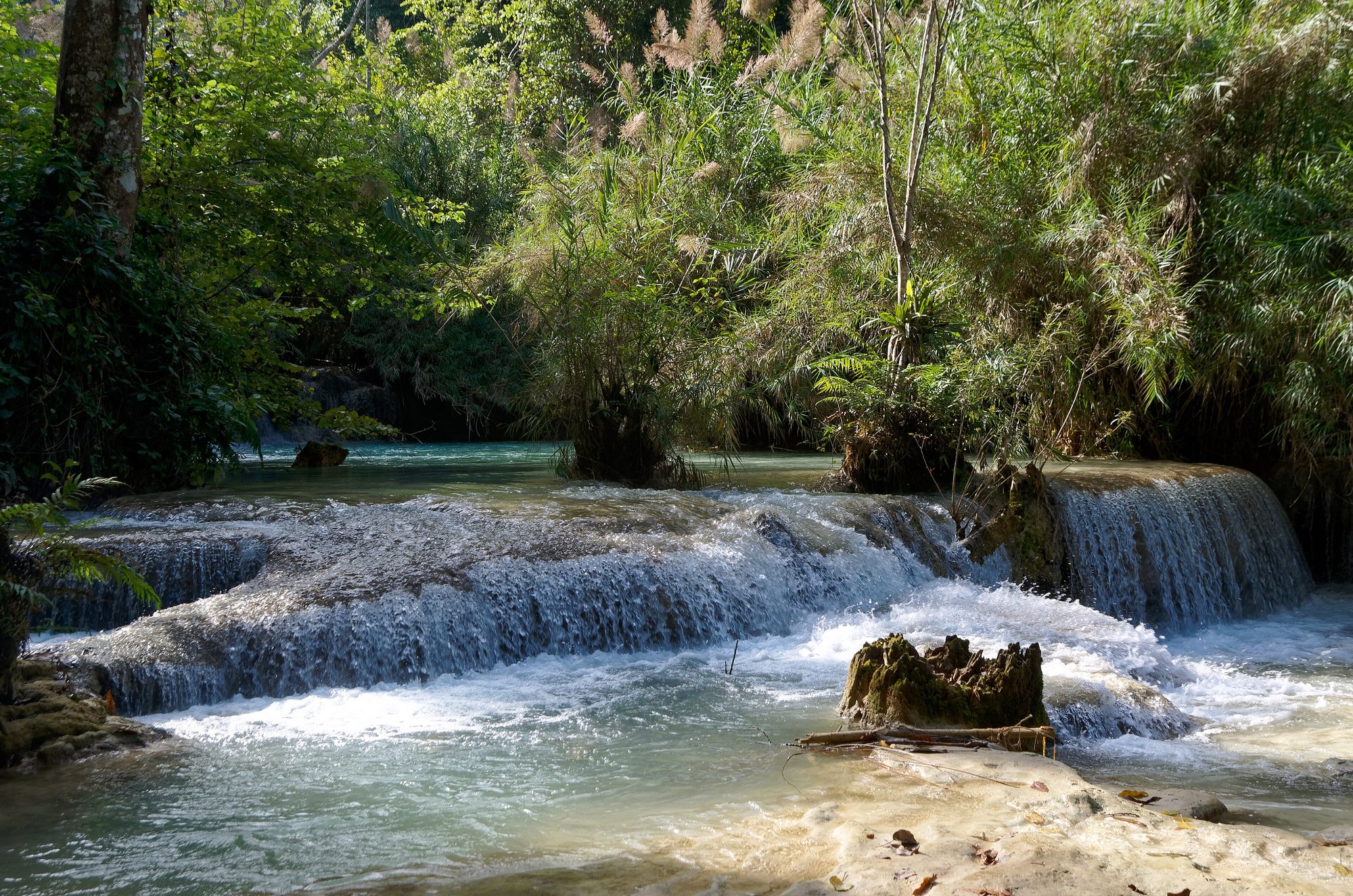
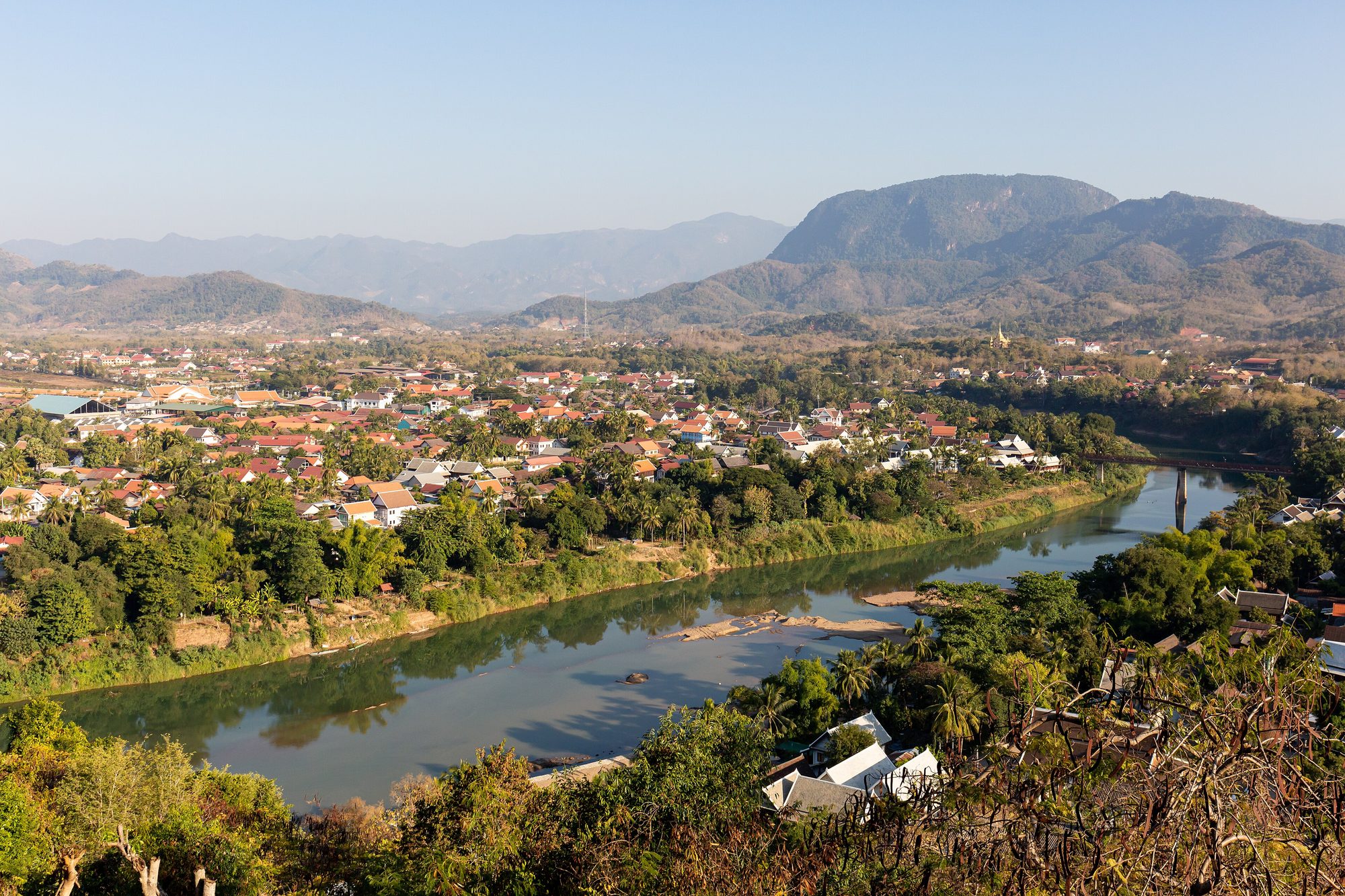
Luang Prabang Province is one of the quieter corners of Southeast Asia. The pace is slow, the landscape is green and river-threaded, and the living Buddhist culture gives the place a particular quality of attention. The alms-giving ceremony at dawn, monks walking the old town's streets in silence — these are daily realities, not tourist backdrops. They reset your own sense of time before you have even reached the yoga mat.
Luang Prabang has a small international airport with connections via Bangkok and other regional hubs, and many guests find the distance is precisely what they needed. The transition itself becomes part of the experience. The Tourism Authority of Laos has current information on travel to the country, including visa requirements and entry conditions.
How to Choose a Wellness Retreat
A few questions that cut through the noise:
What is your primary goal? Stress relief, physical restoration, deeper sleep, burnout recovery, a detox, or simply a week that belongs entirely to you — these map differently onto retreat types. Being clear about which it is will save you from booking the wrong thing.
What is your starting point? Someone new to yoga and meditation will get less from a silent, intensive retreat than from a structured, beginner-friendly programme. The right level matters as much as the right type.
What is included? The most important financial question is not the headline price but what it covers. Meals, massage, group classes, cultural activities — know exactly what you are comparing before you decide.
How far do you need to go? Some people need enough distance that going home is not a practical option. For UK travellers, Laos is a long flight — but that distance is part of why it works.
Questions
What is the main purpose of a wellness retreat?
To remove you from your daily environment long enough for real rest and recovery to happen — physical rest through sleep, massage, and reduced stimulation, and mental rest through yoga, meditation, or breathwork. Most people leave sleeping better and feeling less reactive.
How long does a wellness retreat usually last?
Most run from two nights to around seven for a deeper programme. A weekend gives you time to settle. Three to five nights is typically where more lasting change begins.
What do people usually do on a wellness retreat?
A typical day includes a morning movement session — yoga, qi gong, or breathwork — a nutritionally considered meal, an afternoon spa treatment, and quieter evening time. Cultural retreats add place-specific elements: in Luang Prabang, a guided temple visit or a pre-dawn alms-giving walk.
Is a wellness retreat worth it for a first-timer?
Yes, if you choose the right programme. Beginner-friendly retreats with clear structure are designed for people arriving without an established practice. What matters most is coming willing to slow down and follow the rhythm.
Thinking about a retreat? Tell us what you need.
A person from our team answers within 24 hours, in your language. No booking needed to ask.